


Autonomous Warfare as Geopolitical Leverage
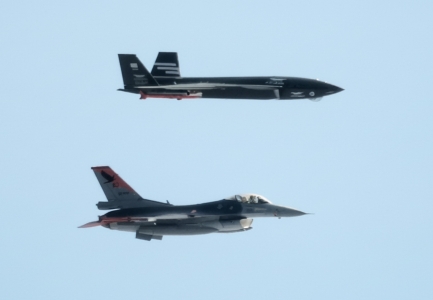 Turkey’s recent tests of the Bayraktar Kızılelma mark more than a technical milestone. Operating in formation with F-16 Fighting Falcon, the unmanned platform detected, tracked, and virtually engaged an aerial target using its MURAD AESA radar and a simulated GÖKDOĞAN missile launch. The signal is clear: autonomous systems are entering the domain of complex air combat once reserved for piloted jets.
What matters strategically is not the drone itself, but the network behind it. Baykar is not merely producing UAVs; it is assembling a tightly integrated military ecosystem where sensors, shooters, and decision logic operate as a single distributed system. Air superiority is shifting from individual platforms to AI-driven, cyber-resilient architectures.
This is where cybersecurity and geopolitics converge. Modern conflict increasingly rewards those who can guarantee data integrity, secure communications, sensor fusion, and fast, autonomous decision-making under attack. Control the network—its encryption, authentication, autonomy, and resilience—and you control the battlespace.